Queer Places:
Cimetière du Père-Lachaise, Paris, Département de Paris, Île-de-France, France
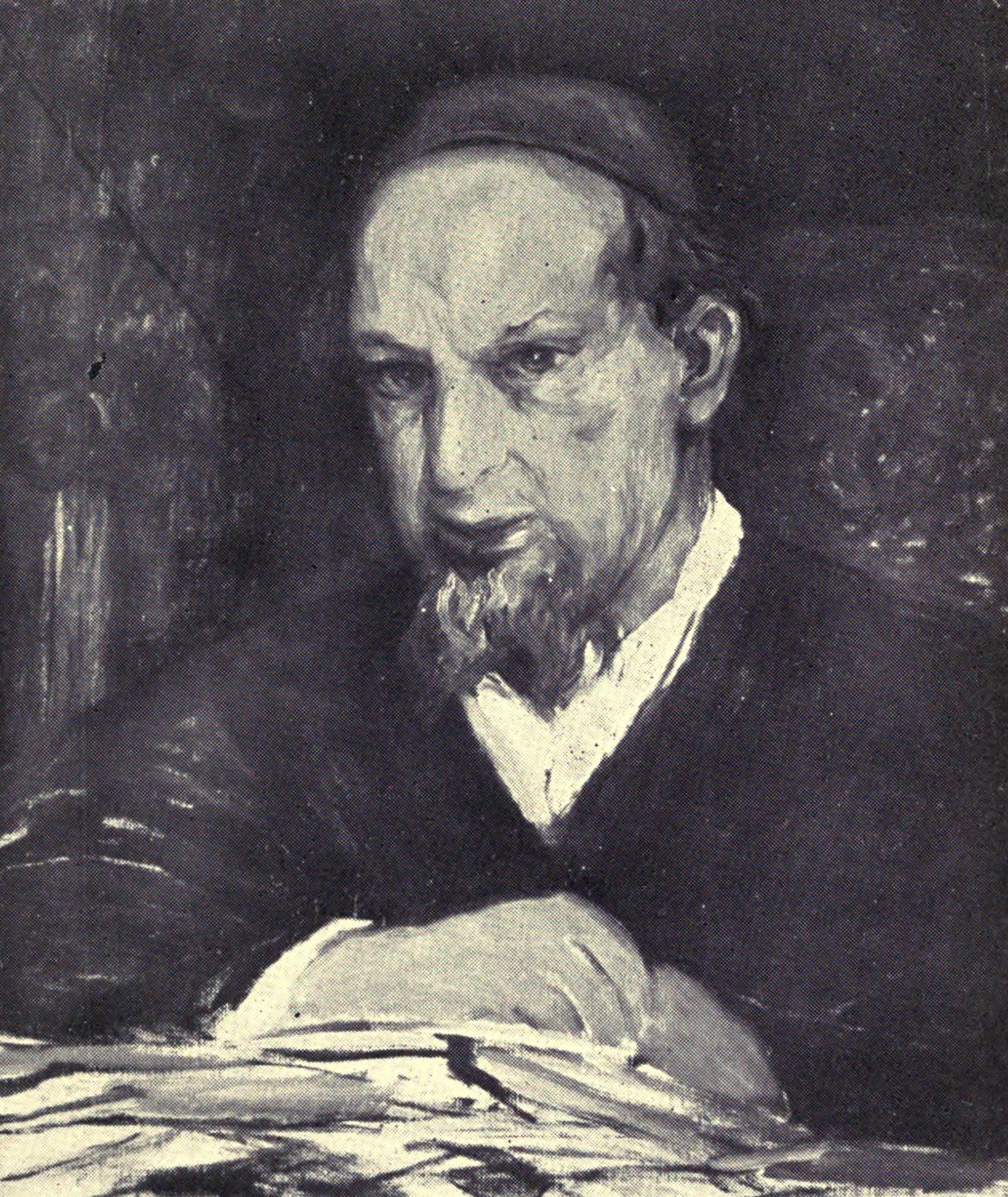 Remy de Gourmont (April 4, 1858 – September 27, 1915) was born on April 4, 1858, at the Château de Houdray in Bazoches-en-Dunois, France, into an impoverished aristocratic
family with a deep literary heritage. He received a traditional Catholic education before moving to Paris in 1883 to work at the Bibliothèque Nationale. During his early
years in the capital, he immersed himself in the burgeoning literary and artistic movements of the late nineteenth century, quickly aligning himself with the Symbolist
movement. In 1889, he became one of the founding contributors to the influential literary magazine Mercure de France, a publication that would serve as his professional home
and creative anchor for the rest of his life.
Remy de Gourmont (April 4, 1858 – September 27, 1915) was born on April 4, 1858, at the Château de Houdray in Bazoches-en-Dunois, France, into an impoverished aristocratic
family with a deep literary heritage. He received a traditional Catholic education before moving to Paris in 1883 to work at the Bibliothèque Nationale. During his early
years in the capital, he immersed himself in the burgeoning literary and artistic movements of the late nineteenth century, quickly aligning himself with the Symbolist
movement. In 1889, he became one of the founding contributors to the influential literary magazine Mercure de France, a publication that would serve as his professional home
and creative anchor for the rest of his life.
Gourmont established himself as a fierce defender of aestheticism, individualism, and artistic freedom, producing a vast body of work that spanned poetry, novels,
literary criticism, and philosophical essays. His critical prowess shone in works like Le Livre des Masques (1896) and Promenades littéraires, where he championed
avant-garde writers and helped shape modern literary criticism. His personal life took a dramatic turn in 1891 when he began a long-term relationship with Berthe de
Courrière, a bohemian artist's model and muse who heavily influenced his creative output. Around 1891, Gourmont contracted a severe case of lupus facialis, a disfiguring and
painful skin condition that caused him to largely withdraw from public society, transforming him into a reclusive scholar who observed the world primarily from his apartment
while pouring his energy entirely into his writing.
Despite his physical isolation, Gourmont remained a towering intellectual figure in Paris and eventually crossed paths in 1910 with
Natalie Clifford Barney, an influential American expatriate writer, poet, and prominent lesbian salonist. Barney, who
lived openly as a lesbian and hosted a famous literary salon in Paris that welcomed diverse artistic voices, sparked a profound intellectual and emotional late-life romance
in the ailing author. Fascinated by her vibrant spirit, independent nature, and passion for horseback riding, Gourmont affectionately nicknamed her "l'Amazone"
(the Amazon).
This connection yielded a legendary literary collaboration and added a unique dimension to Gourmont's legacy regarding LGBTQ literary history. He addressed a series of
elegant, philosophically rich epistles to her that explored desire, art, and emotion, publishing them as Lettres à l'Amazone in 1914. Though Gourmont was a traditional man
of letters, his deep devotion to an openly queer woman who unapologetically flouted the sexual conventions of her era cemented his association with the progressive literary
underground of the Left Bank. Gourmont's life was cut short the following year when he suffered a stroke while writing an article condemning the German shelling of the Reims
Cathedral. He died in Paris on September 27, 1915, leaving behind a legacy as one of France's most acute aesthetic minds, forever linked in cultural memory to the Amazon who
defined his final years.
References:
Other references:
- De Gourmont, Remy. Lettres à l'Amazone. Paris: Mercure de France, 1914. (His published epistolary work addressed to Natalie Clifford Barney).
- De Gourmont, Remy. Lettres intimes à l'Amazone. Paris: Mercure de France. (The collected private correspondence supplementing the published letters).
- Burne, Glen S. Remy de Gourmont: His Ideas and Influence in England and America. Carbondale: Southern Illinois University Press, 1963.
- Chalon, Jean. Chère Amazone. Paris: Librairie Académique Perrin, 1967. (A biographical study detailing the relationship between Remy de Gourmont and Natalie Clifford Barney).
- Pound, Ezra. De Gourmont: A Distinction. Published in The Little Review, Vol. 5, no. 10/11, 1919, pp. 1–19.
- Lowell, Amy. Six French Poets: Studies in Contemporary Literature. New York: The Macmillan Company, 1915. (Includes contemporary critical analysis of Gourmont's aesthetic place in French letters).
Support this project
This website is a passion project researched, developed, and funded entirely by me. If you find the content valuable and would like to help support the ongoing research and hosting costs, any contribution is deeply appreciated.
Thank you for keeping this independent resource alive!
My books on Amazon: Elisa Rolle's books
BACK TO HOME PAGE
